
By Roselyn Fauth - with support from the Timaru Girl's High School Archivists.
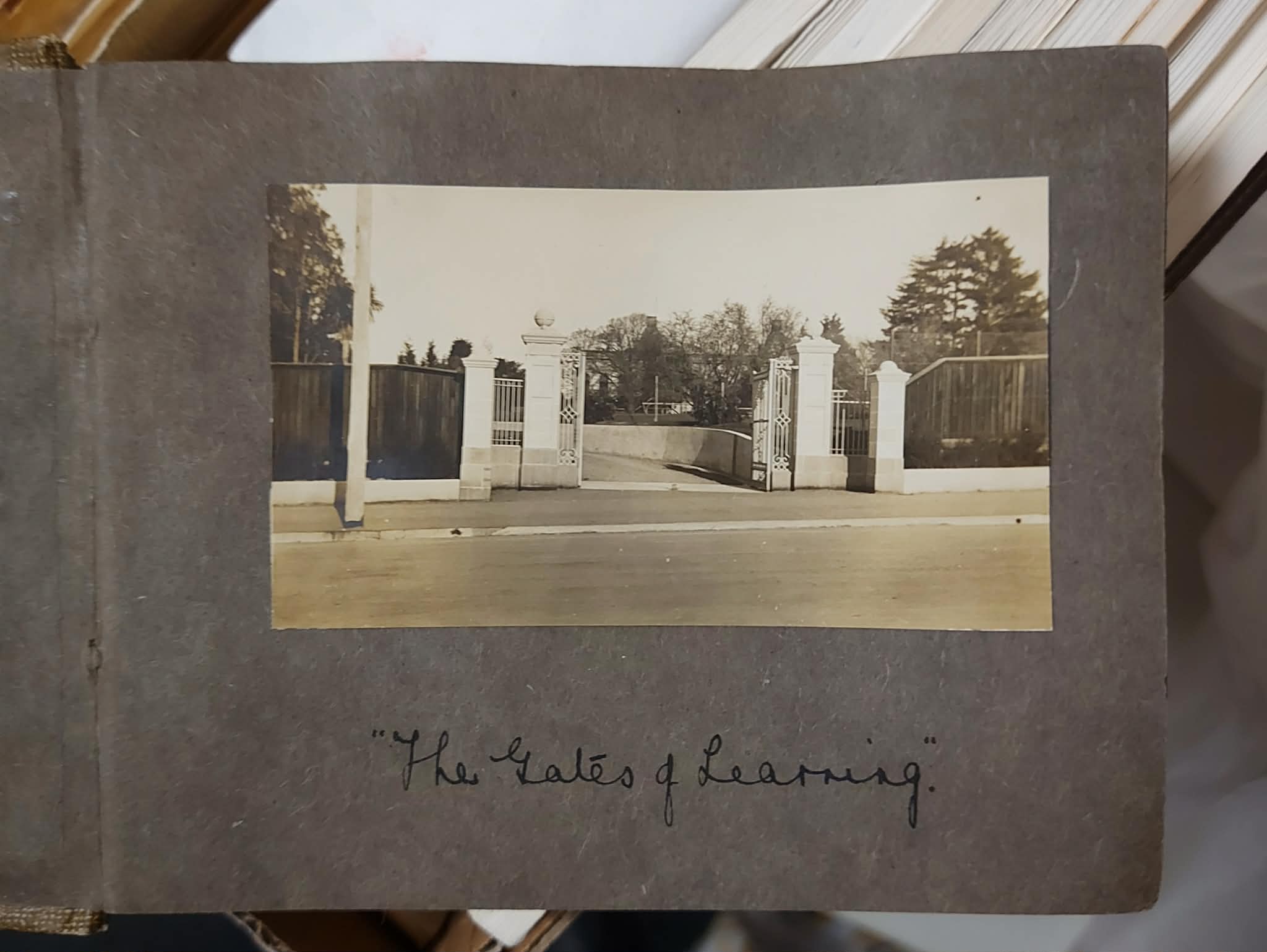
The Gates of Learning of Timaru Girls High School on the on the Hassall Street entrance are like a statement that Girls’ education was well established and endures. TGHS gates are part of a matched pair, their twin up the road on North Street at Timaru Boys' High. Timaru Girls' High archive. Photography By Roselyn Fauth 2026
Pamela Gibson who has given many voluntary years to Timaru Girls High has been showing me around the archive and pulled out this gem. A sweet wee photo albulm that included photos of the 'Gate of Learning'. I stood at the gates yesterday taking a better look. And I imagined all the students arriving on foot, on bikes... students being dropped off by parents... these gates for nearly a century have witnessed the rythumn and routine of the school.
On the Left the year 1880 is carved into the block. On the Right it reads 1930. A span of 50 years of history between them, no about to hit their own anniversary. These the gates were opened in June 1931 as commemorative structure that represent Alumni and Community Identity... They turn 100 years old on 16 June 2031.
According to the Timaru Herald of 16 June 1931, the memorial gates at Timaru Girls’ High School were opened as the conclusion of the Jubilee celebrations marking fifty years since the school first opened in 1880.
They were not part of the original building. They were built deliberately, as a memorial.
The newspaper described them as “handsome entrance gates,” erected by the efforts of ex-pupils in commemoration of the jubilees of the two schools. They were constructed of Hawkesbury stone with bluestone foundations and solid iron gates. They were said to present a very fine appearance and to constitute a lasting improvement and a fitting recognition of an important occasion.
The decision to build them came from a Jubilee Committee appointed after the 1930 Easter celebrations. The Committee undertook the collection of subscriptions and determined that the memorial should take the form of gates. Timaru Girls High used to school both boys and girls on the grounds, after the decision to separate the sexes, the two schools operated on the same site with a corrugated iron fence between them in 1898.
The architects, Messrs Turnbull and Rule (prominent architects in Timaru), donated their work in preparing the plans and specifications. The builders were W. J. Harding and Co., and Messrs Parr and Co.
The total contributed was £800, and the newspaper records that not one penny was personally canvassed. The sum was described as a spontaneous gesture of love, gratitude and pride in the Schools.
£800 in 1931 was a substantial sum. Adjusted for inflation, that equates to roughly NZD $90,000–$100,000+ in today’s terms, depending on the calculation method. Remember... 1931 was in the middle of the Great Depression.
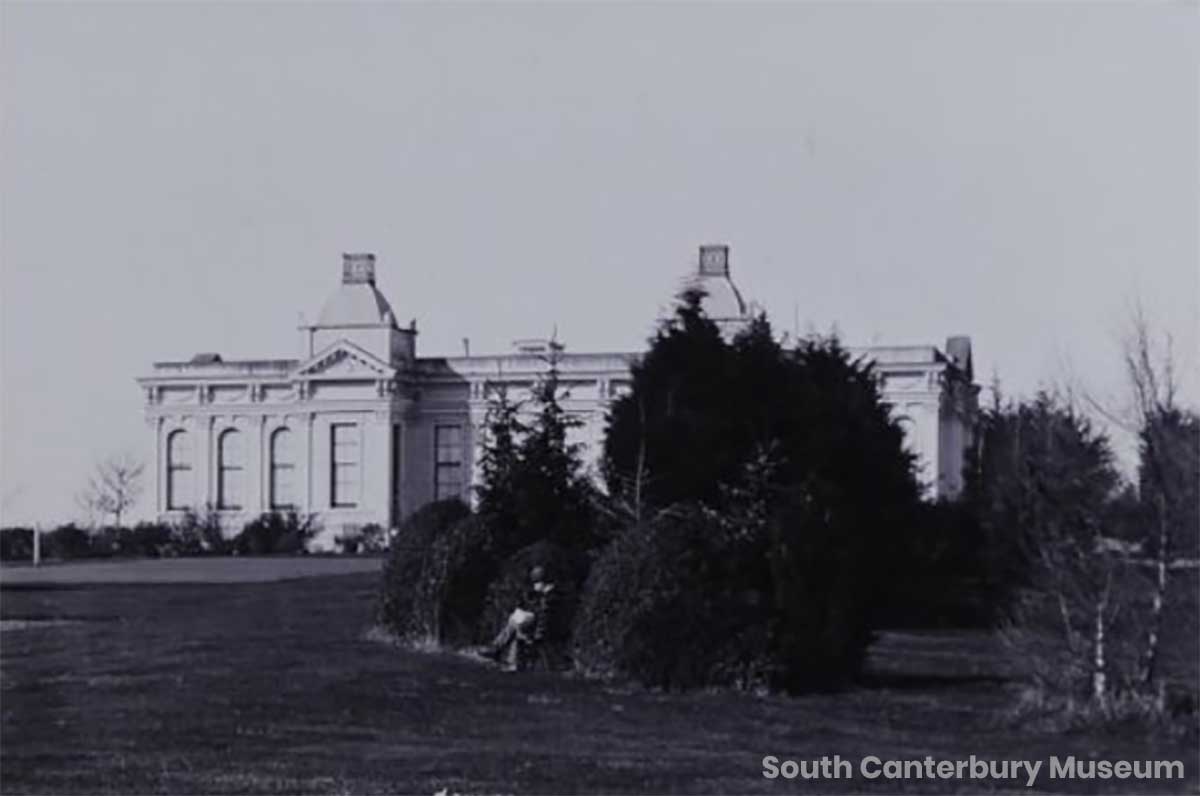
021 The High School 1887-1889 South Canterbury Museum 3867
These were not Government gates, nor routine maintenance. They were alumni-built.
The ceremony took place at Timaru Girls’ High School as the concluding event of the Jubilee celebrations. It was attended by:
- The Chairman of the Board of Governors, Mr J. Bitchener, M.P.
- Members of the Board
- The Director of Education, Mr T. B. Strong
- Representatives of the Canterbury Education Board
- Mr G. D. Virtue, Chairman of the Jubilee Committee
- Mrs J. Duncan of the Old Girls’ Association
- Lady Principal Miss J. R. Barr
- Staff, Old Girls and a large gathering of supporters
Opening of Jubilee gates. 1931
The pupils were assembled to form a guard of honour for visitors entering through the new gates.
Mr G. D. Virtue, Chairman of the Jubilee Committee, then formally handed the gates to the Board of Governors on behalf of the old pupils. He described them as a permanent record in stone and iron of the School’s achievement of its golden jubilee, erected from the free-will offerings of former pupils who had gathered from across the Dominion during the Easter celebrations of 1930. He spoke of the gates as a fitting entrance to a great school and as a reminder that those who had passed through its classrooms remained connected to it, responsible for its traditions and jealous of its honour. Referring to contemporary discussions about the future of secondary education, he emphasised the importance of preserving the individuality of the schools and protecting that which had been built over the years on imperishable foundations.
The Director of Education, Mr T. B. Strong, followed with words of congratulation to the Jubilee Committee and to the School. He observed that while gates in earlier times had symbolised entry into a hall of purely academic learning, modern secondary schools now prepared young people more broadly for life, equipping them for both its struggles and its pleasures. He expressed the hope that the traditions of the School would be maintained, and that whatever changes might occur within the wider education system, the distinctive character of post-primary schools would endure.
The formal act of opening the gates was performed by the senior prefect, Margery Monaghan. In that gesture the present generation symbolically accepted the legacy entrusted to them. The ceremony concluded with cheers, expressions of thanks, and a rousing haka, bringing to a close the final public act of the Jubilee celebrations and setting the gates into their long service as a threshold to learning.
Every day since 1931, they have marked a threshold. They define entry and exit. They frame the movement from public street to school grounds. They were spoken of at the time as symbols of tradition and individuality. They were intended to endure. I think this is what makes them important as built history.
They are not simply something that is to be cherished because of its age. They are a documented memorial structure that represents alumni loyalty and voluntary contribution at a particular moment in the school’s history. They are constructed in permanent materials chosen to last.
Hawkesbury stone is a sandstone imported from New South Wales, Australia. It was widely used in New Zealand in the late nineteenth and early twentieth centuries for: Banks, Churches, Civic buildings, and Memorials. It carves really well and as you can see today it stands well against all the tests of time.
Below you will see the bluestone at the base. The darker base visually “grounds” the structure and protects the softer stone from rising damp and impact. Bluestone is a local term for basalt, it used to be lava that cooled. Timaru's local source is Waipouri/Mt Horrible. It flowed like fingers towards what is now the coast, forming the reefs. Centennial Park was a major quarry site for bluestone in the past.
The gates are made of solid iron that form vertical bars, decorative finials and subtle scroll work.
When I stood there yesterday, I realised I was standing at a piece of interwar civic architecture that has quietly witnessed nearly a century of school life. I walked through these often as a student and now I was back here as staff.
Generations have passed between those stone pillars. Uniforms have changed. Subjects have expanded. Headmistresses have come and gone.
The gates have remained, built to commemorate fifty years.
They are now approaching one hundred.
I wonder what they have witnessed over the years, and how they will continue to frame the schools story long after the ceremony speeches have finished.
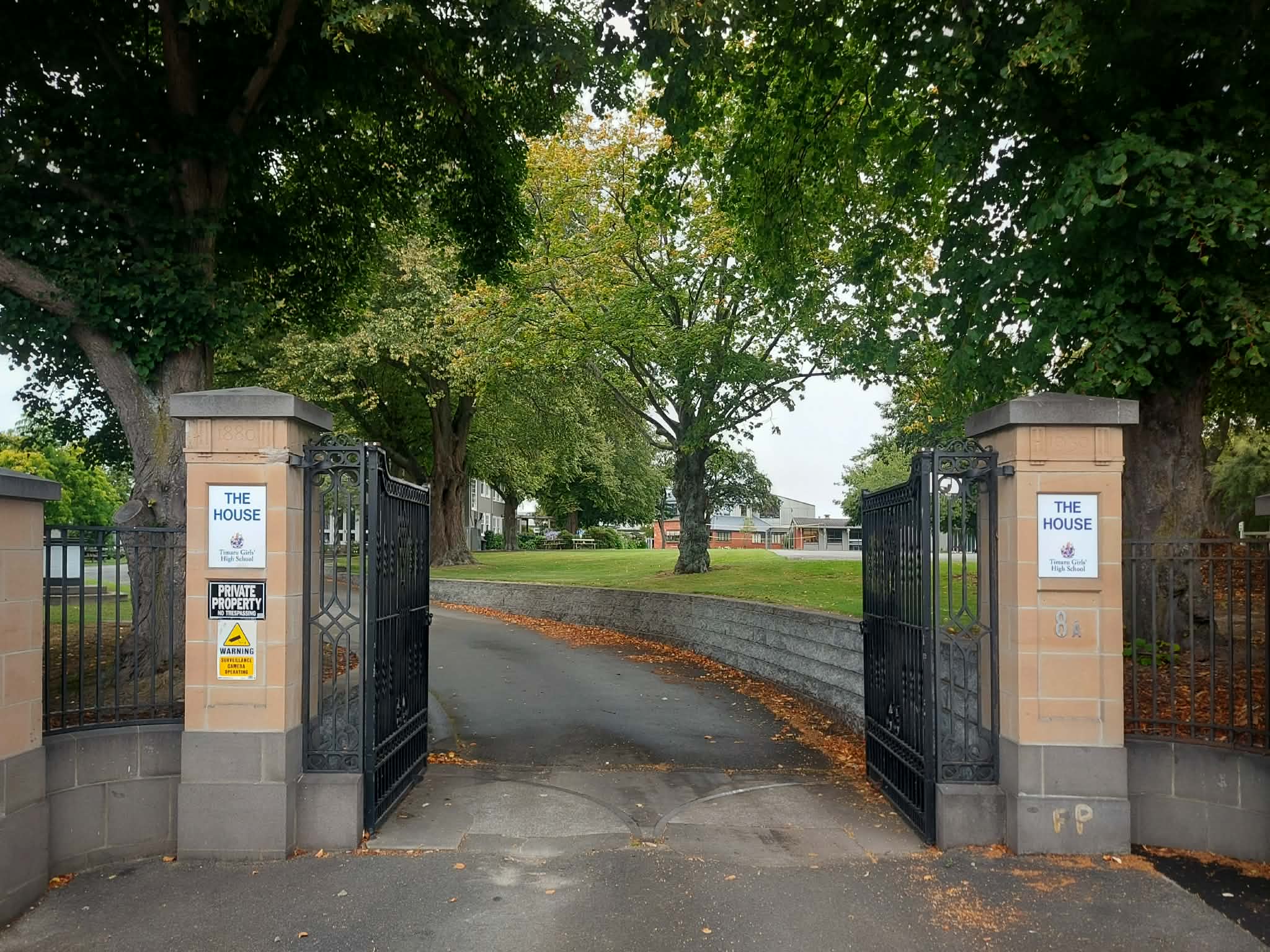
The Gates of Learning of Timaru Girls High School. - Photography By Roselyn Fauth 2026
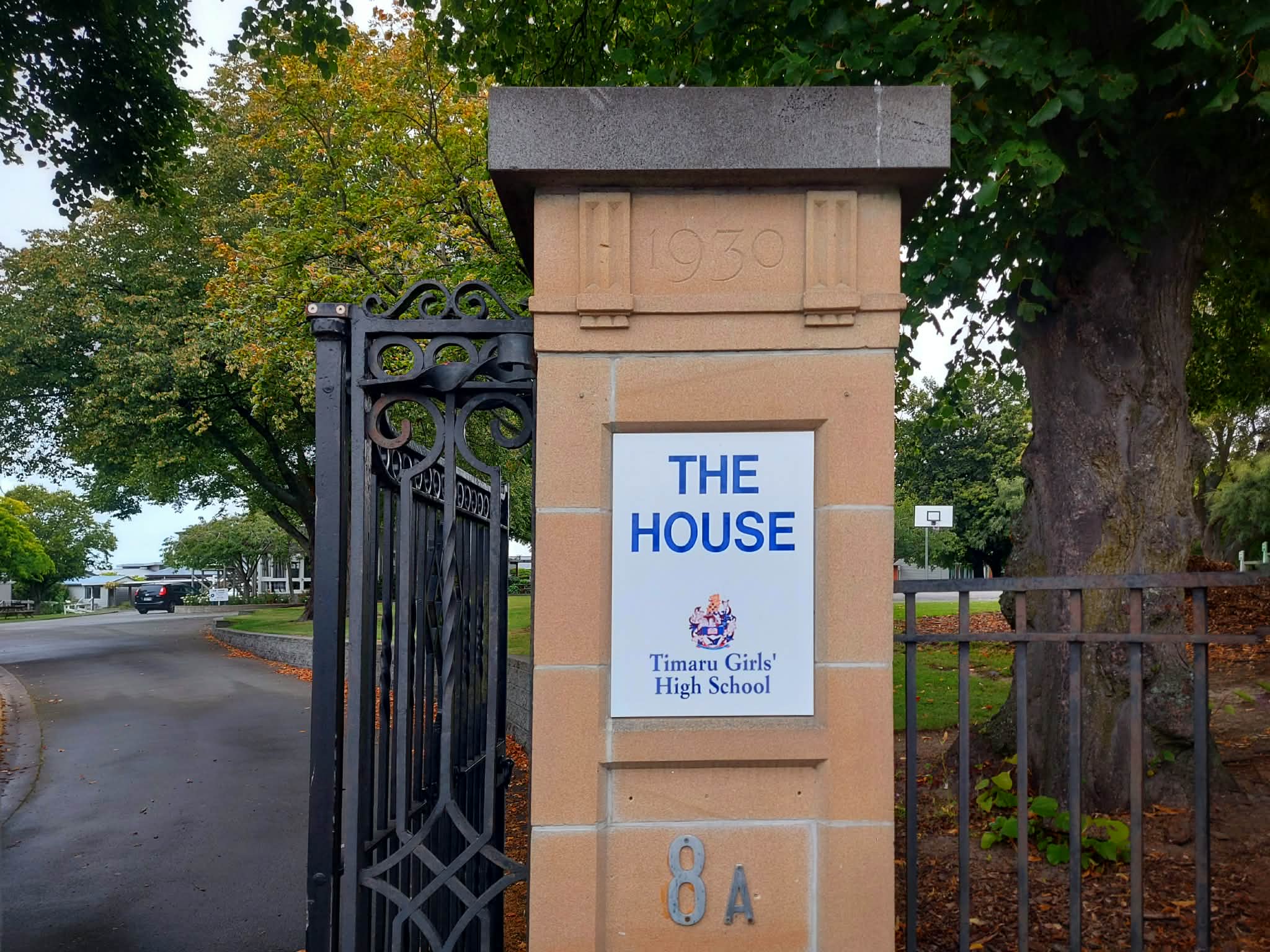
The Gates of Learning of Timaru Girls High School. - Photography By Roselyn Fauth 2026
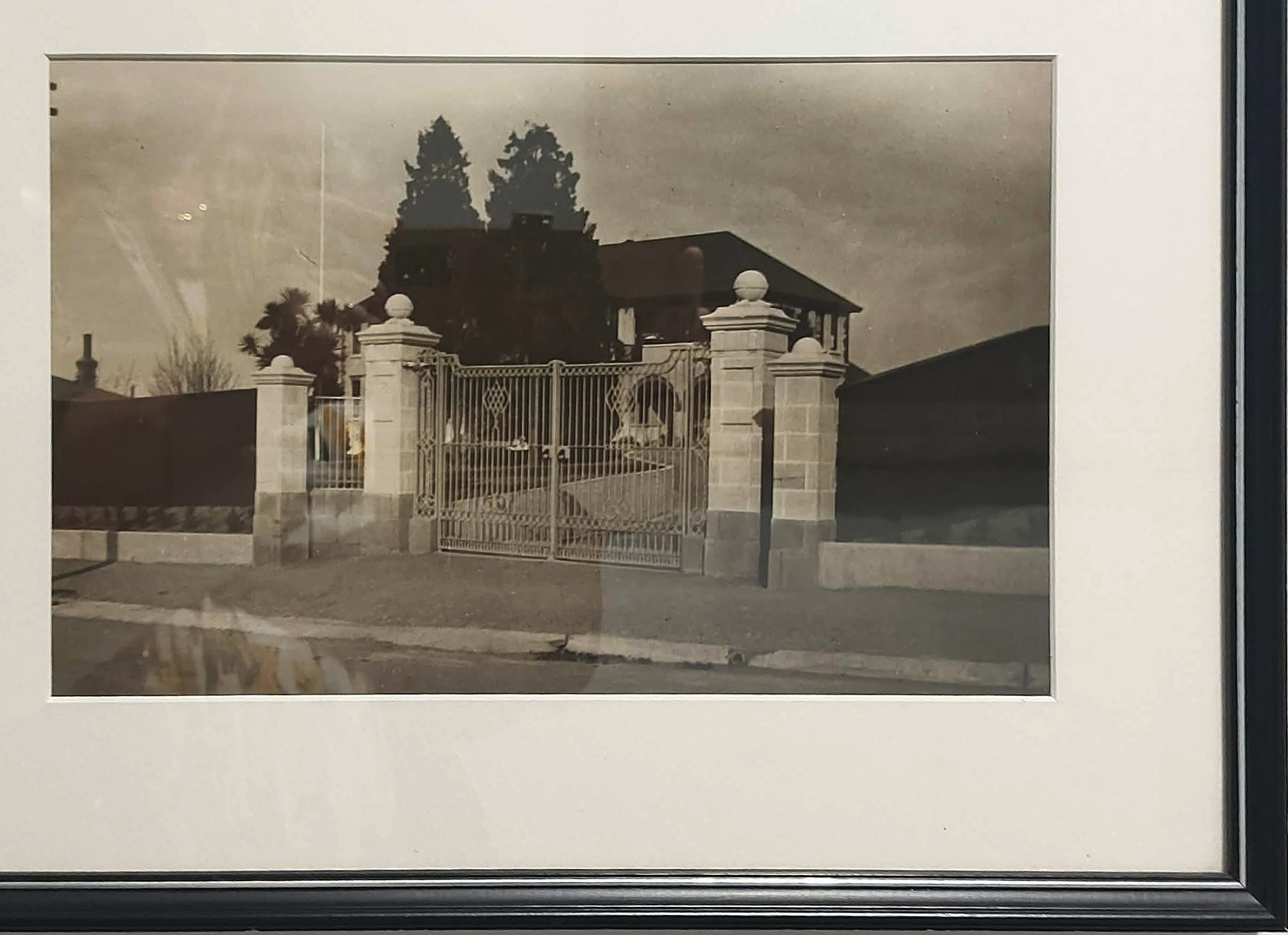
Section of a framed photo of the Gates of Learning of Timaru Girls High School. - Photography By Roselyn Fauth 2026
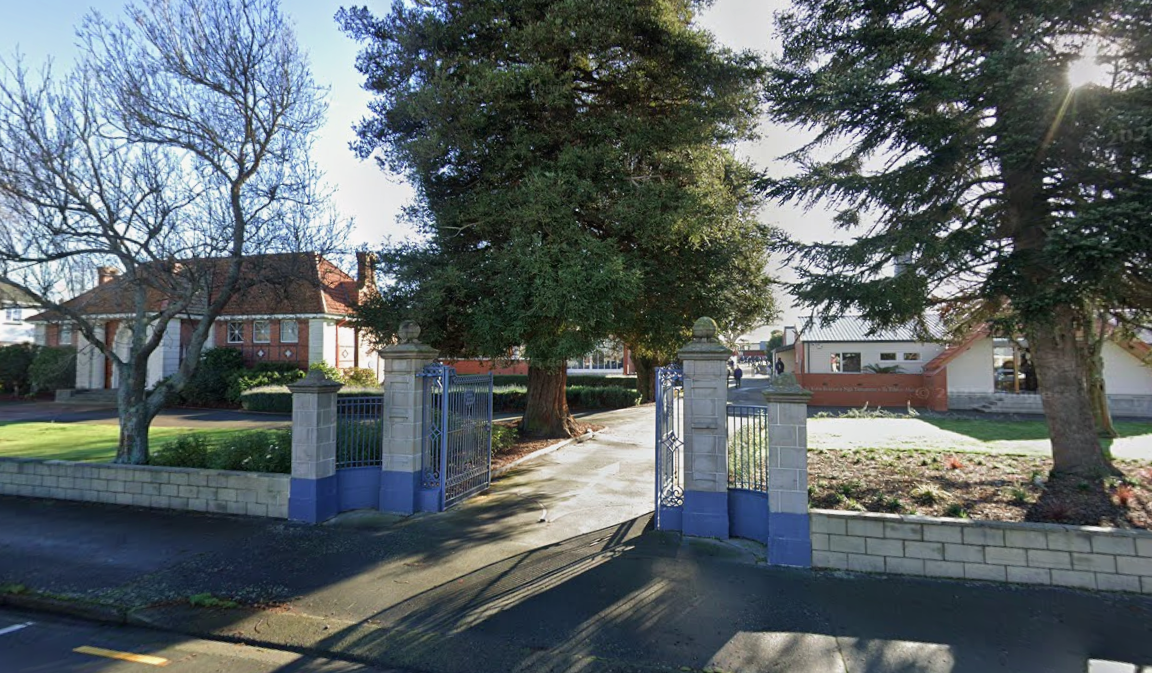
The gates at Timrau Boys' High School
Source: Timaru Girls' High School Archive.
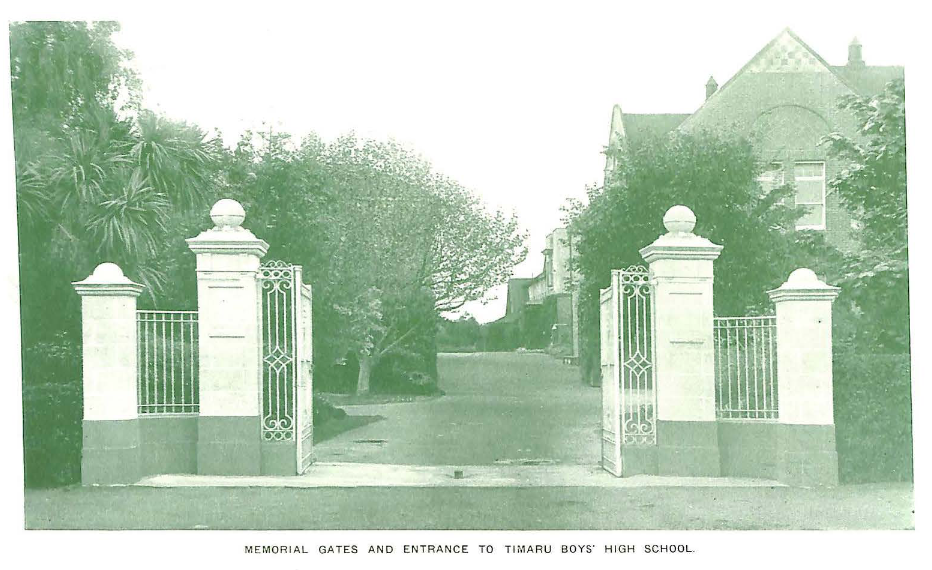
Timaru, South Canterbury, New Zealand: issued by authority of the municipality of Timaru on the occasion of the centennial of the Dominion of New Zealand, 1940.. Aoraki Heritage Collection, https://aorakiheritage.recollect.co.nz/nodes/view/780

Timaru, New Zealand, circa 1910, Timaru, by William Ferrier, F.W. Hutton & Co. Gift of Lord Kitchener, 1960. Te Papa (AL.000566)
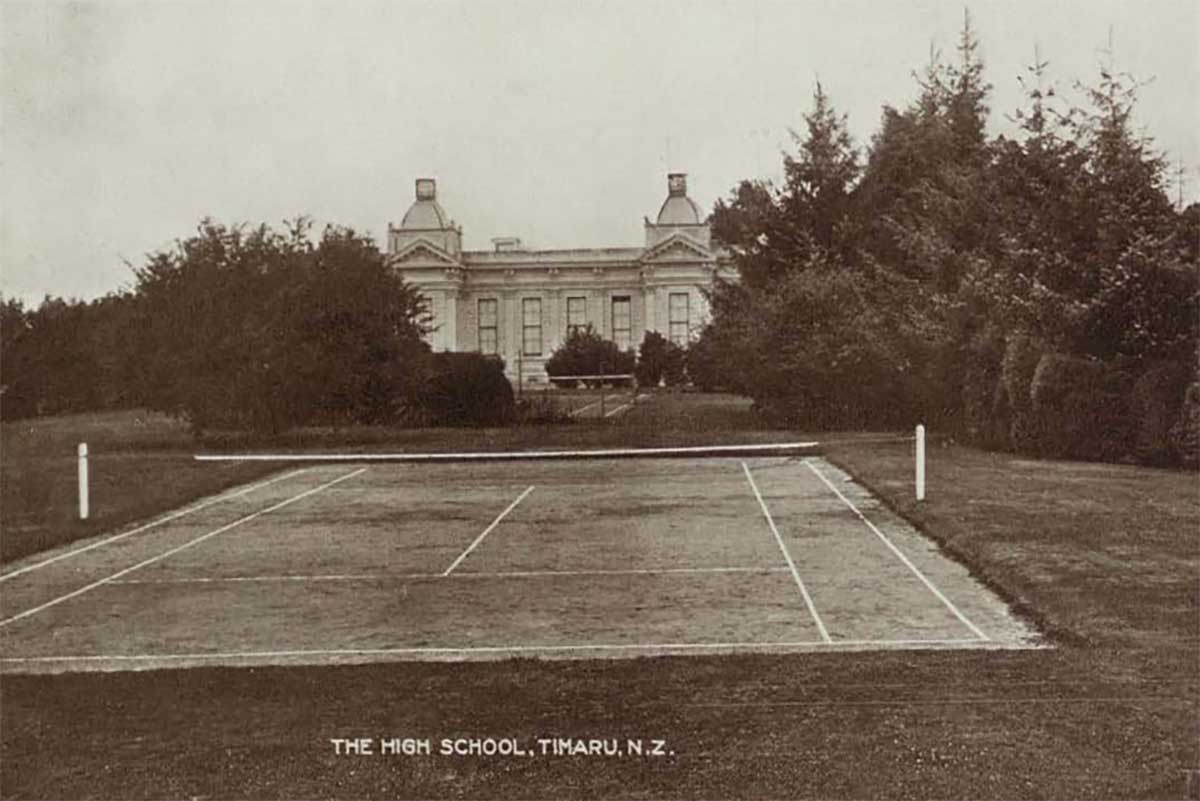
Page from the "Official Guide: Timaru and surrounding districts". Aoraki Heritage Collection, https://aorakiheritage.recollect.co.nz/nodes/view/8923

Page from the "Official Guide: Timaru and surrounding districts". Aoraki Heritage Collection, https://aorakiheritage.recollect.co.nz/nodes/view/8923
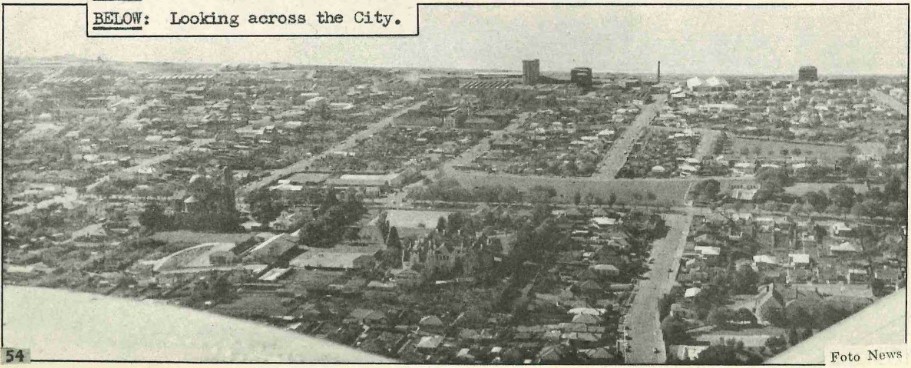
G A Moss (Editor), Mid & South Canterbury Foto News: Volume 2, Number 5 1963. Aoraki Heritage Collection, https://aorakiheritage.recollect.co.nz/nodes/view/1382
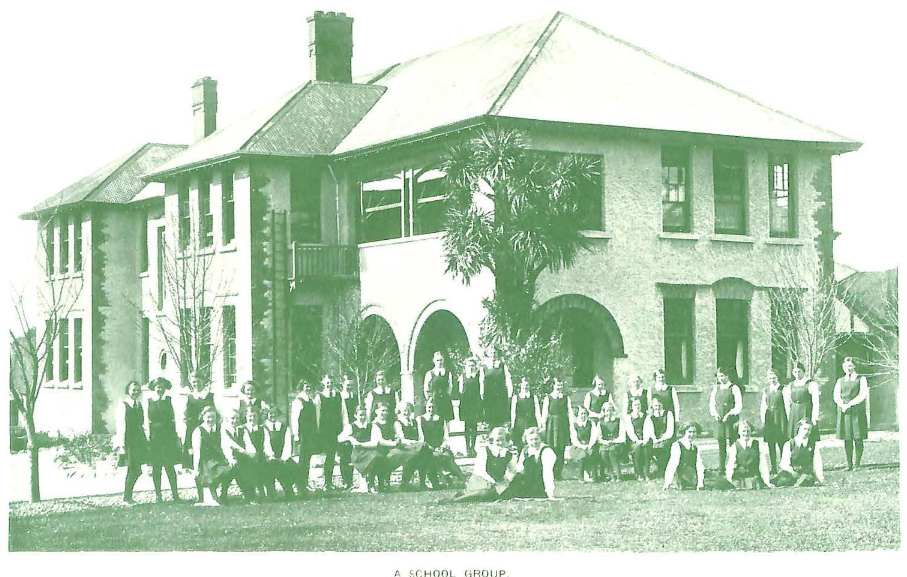
Timaru, South Canterbury, New Zealand: issued by authority of the municipality of Timaru on the occasion of the centennial of the Dominion of New Zealand, 1940.. Aoraki Heritage Collection, https://aorakiheritage.recollect.co.nz/nodes/view/780
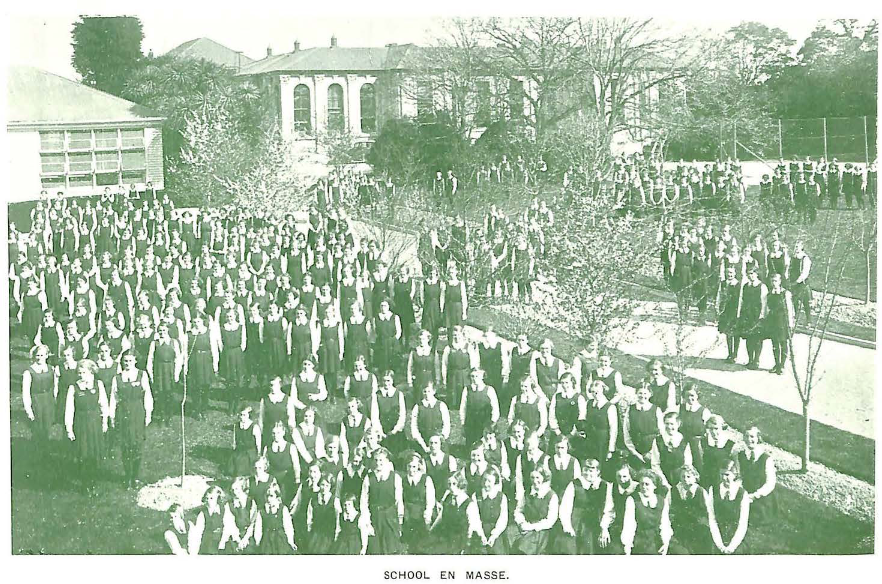
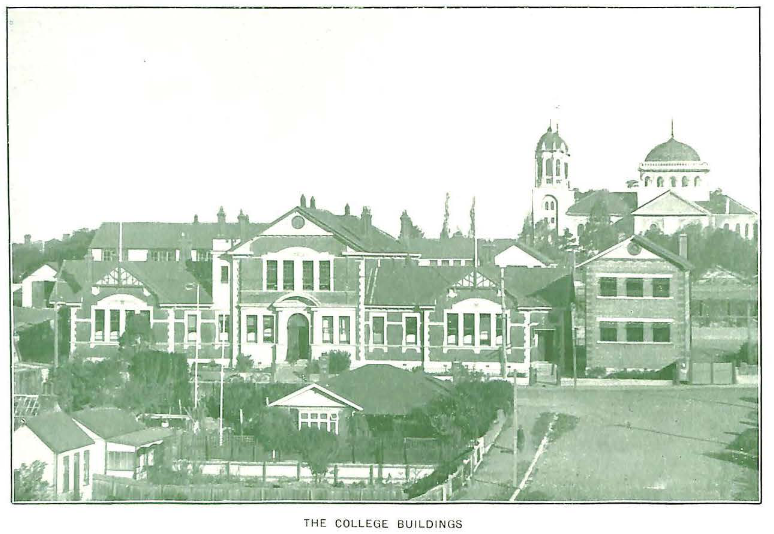
Technical college