
TIMARU
Botanic Gardens
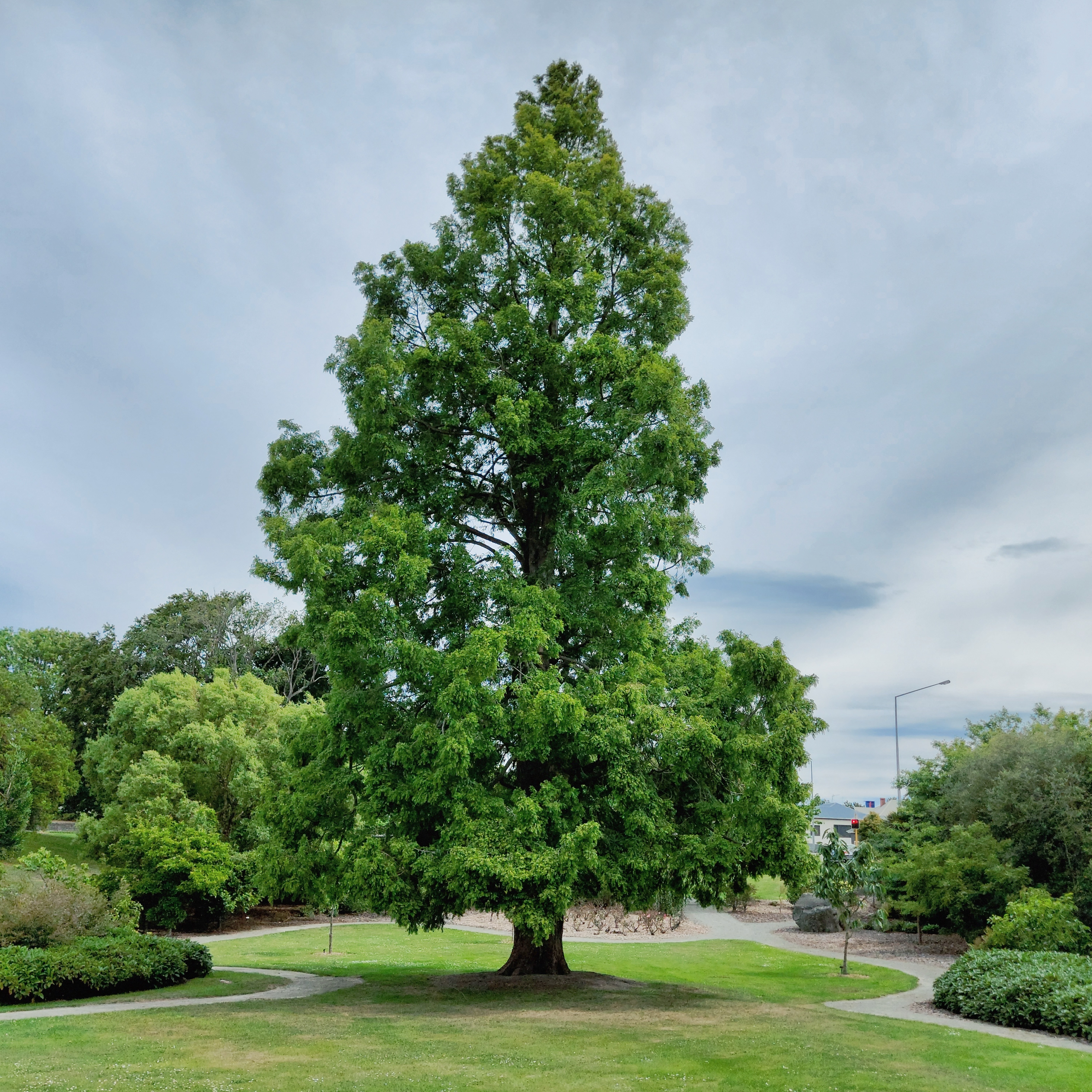
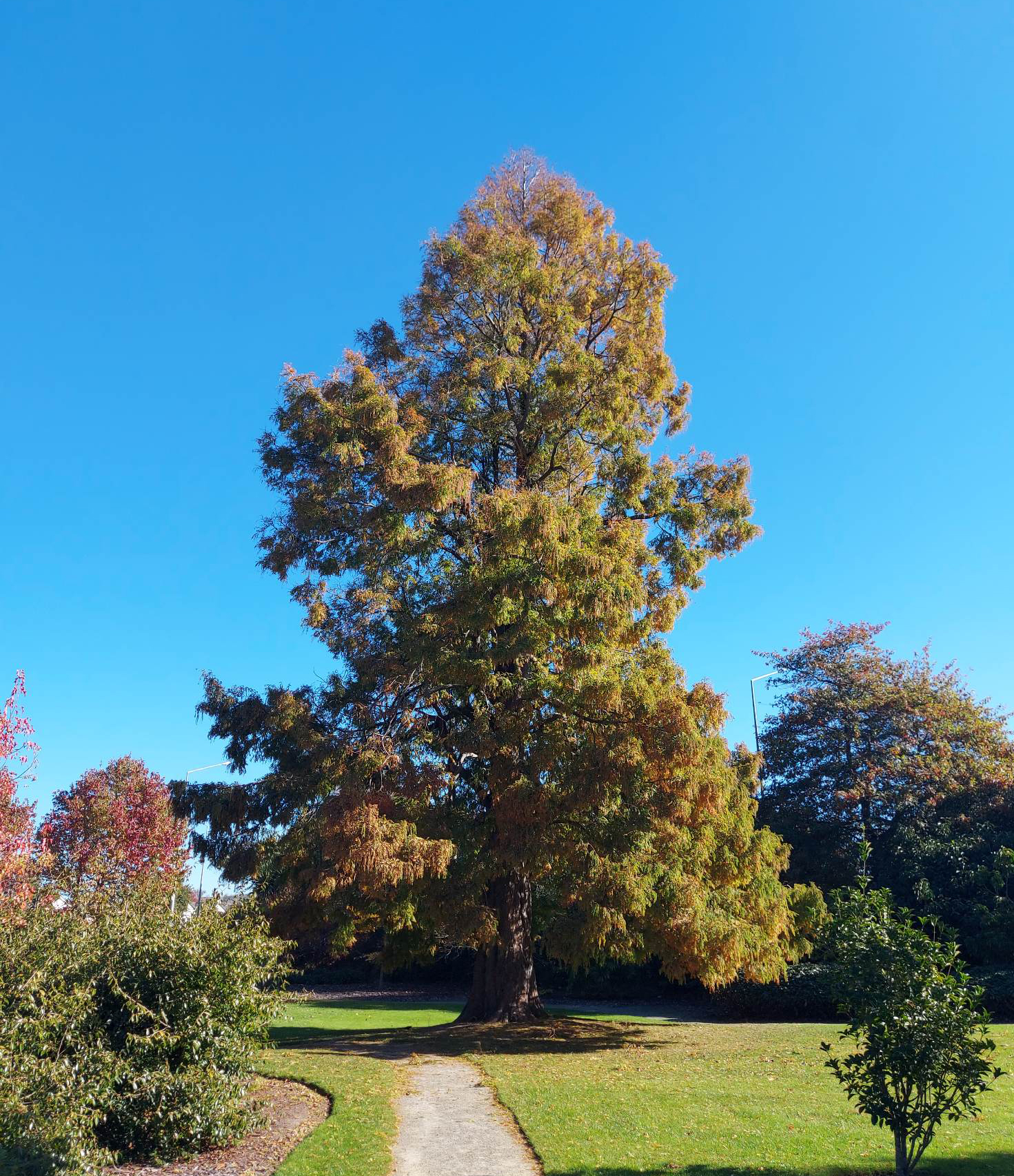
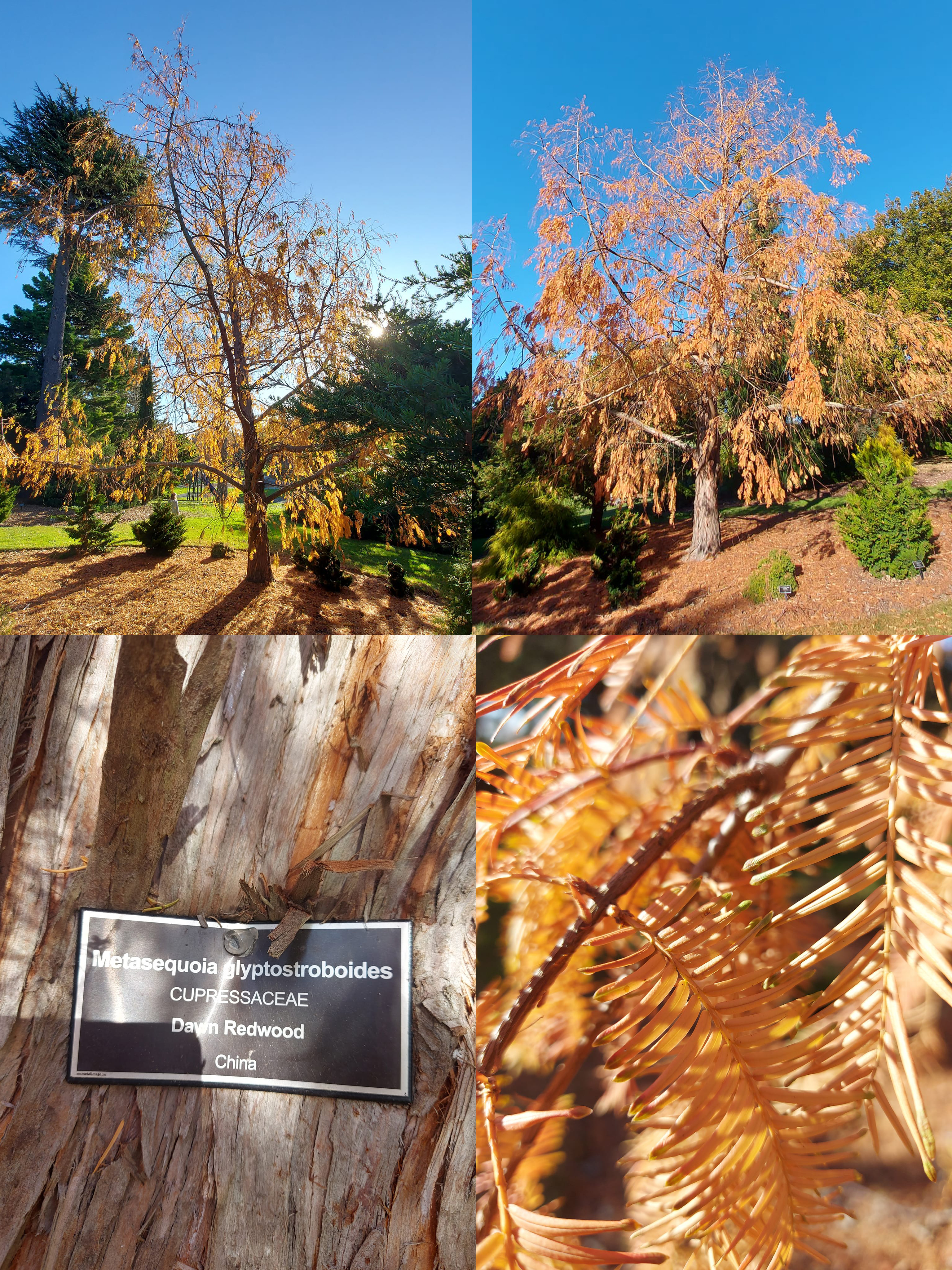
Find a 19m tree that was thought to be extinct 2 million years ago planted in 1948 at the Timaru Botanic Gardens.
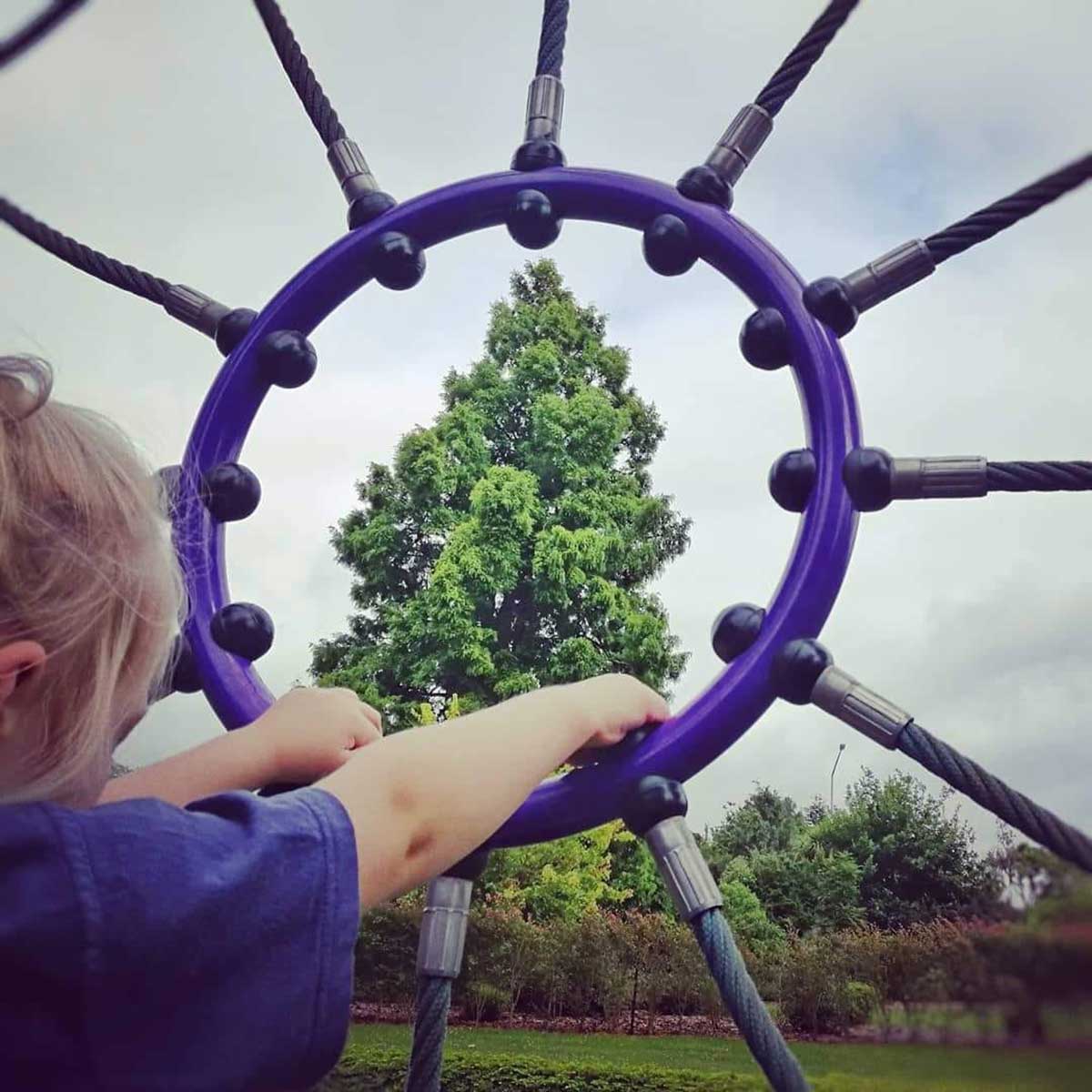
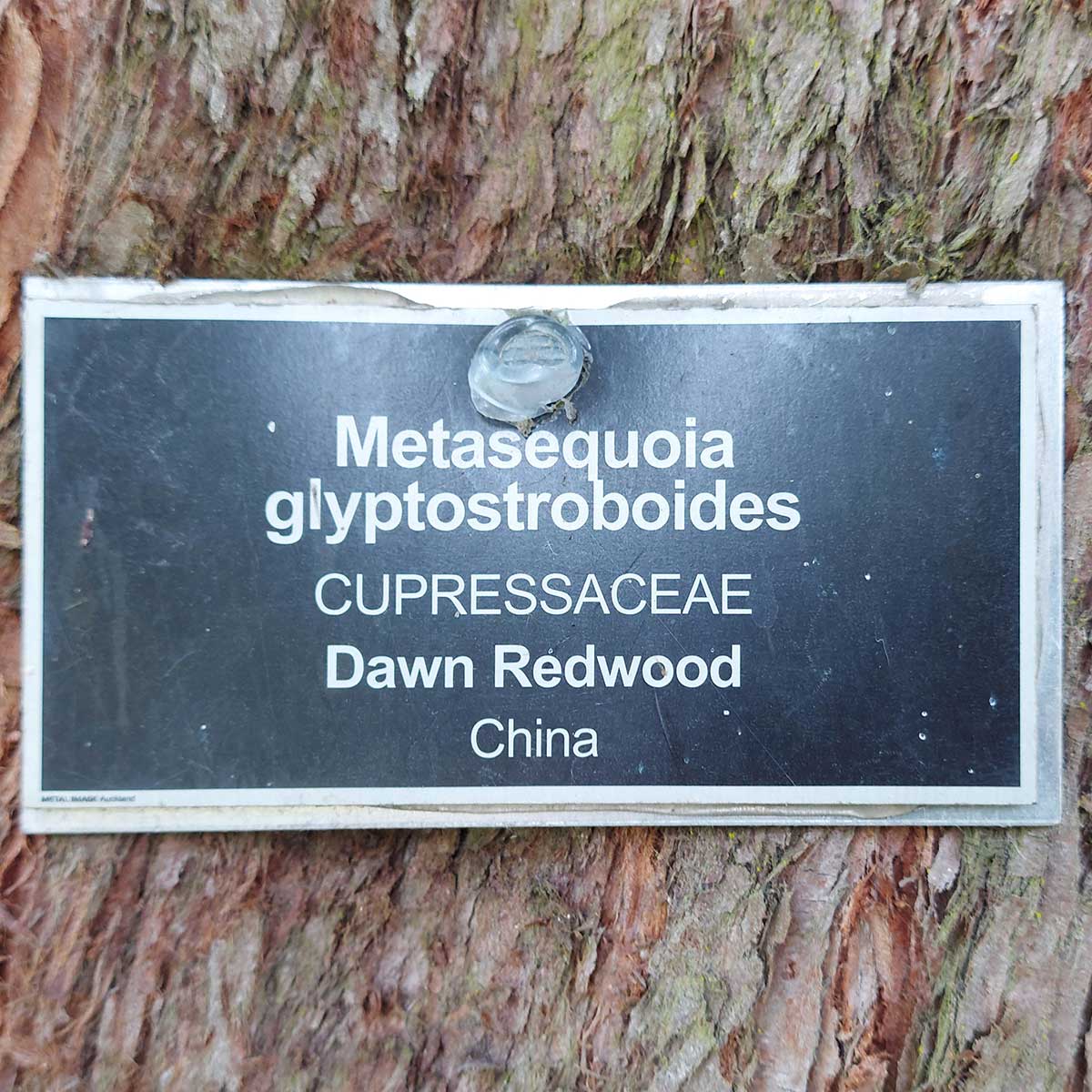
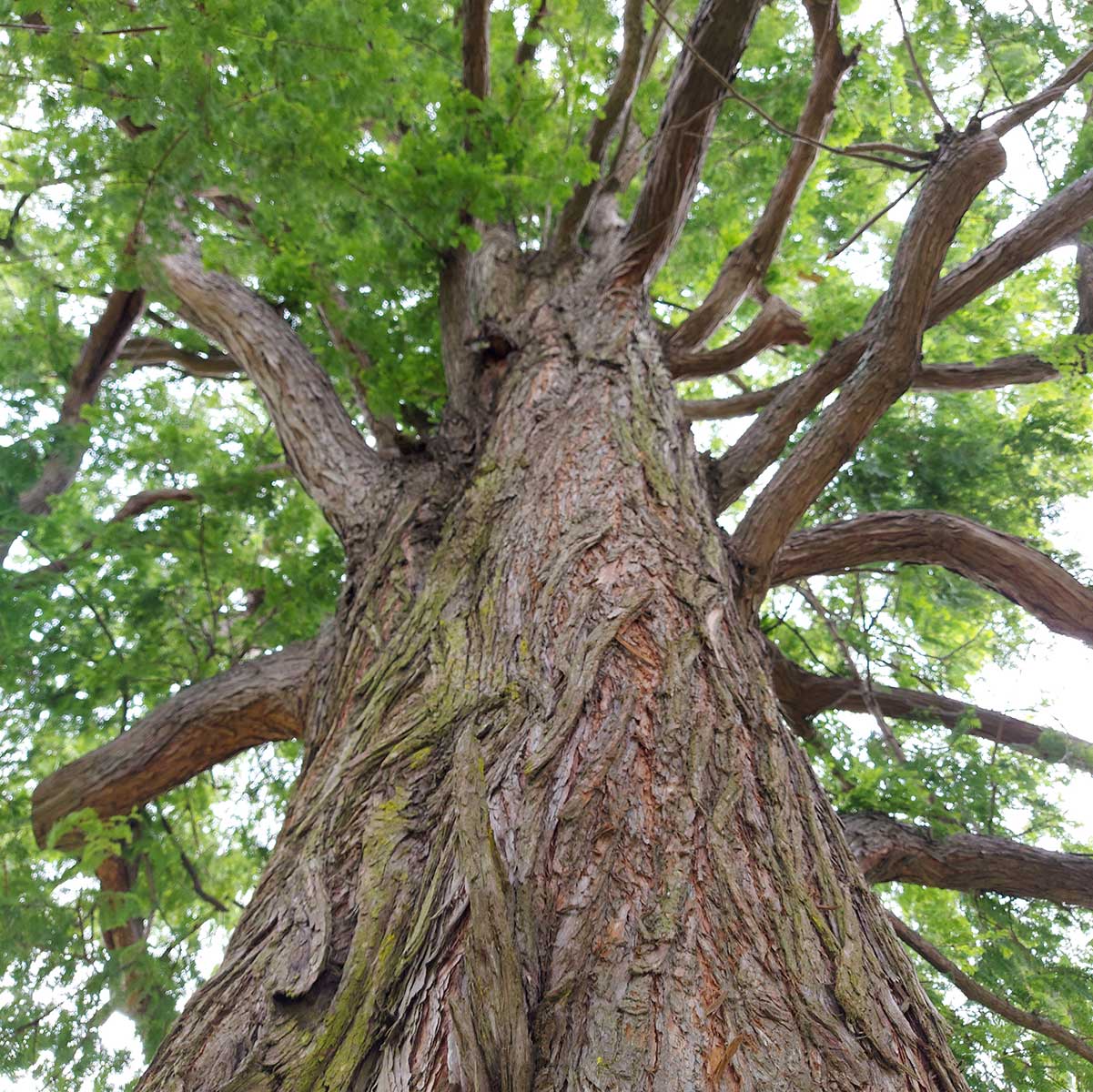
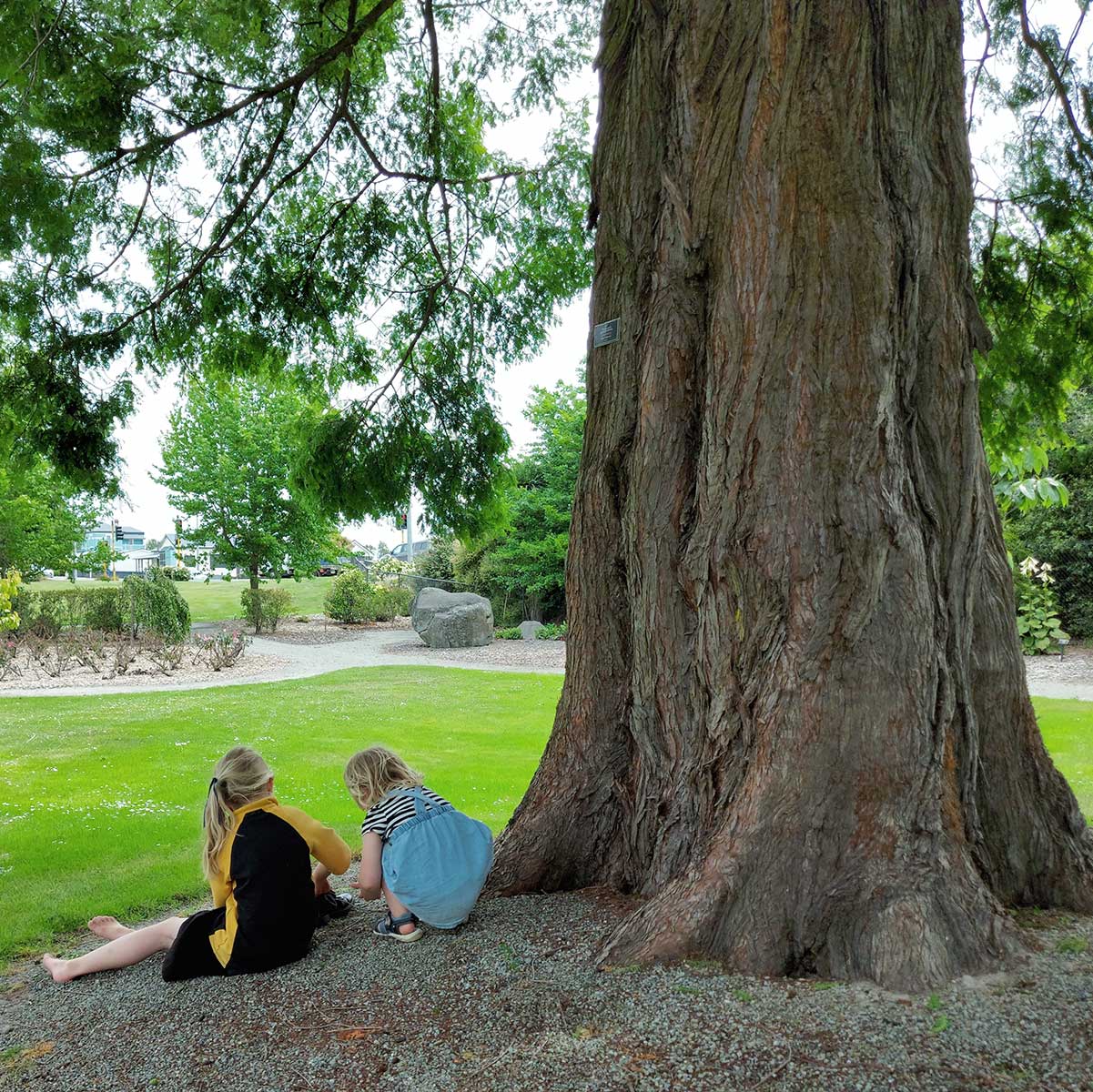
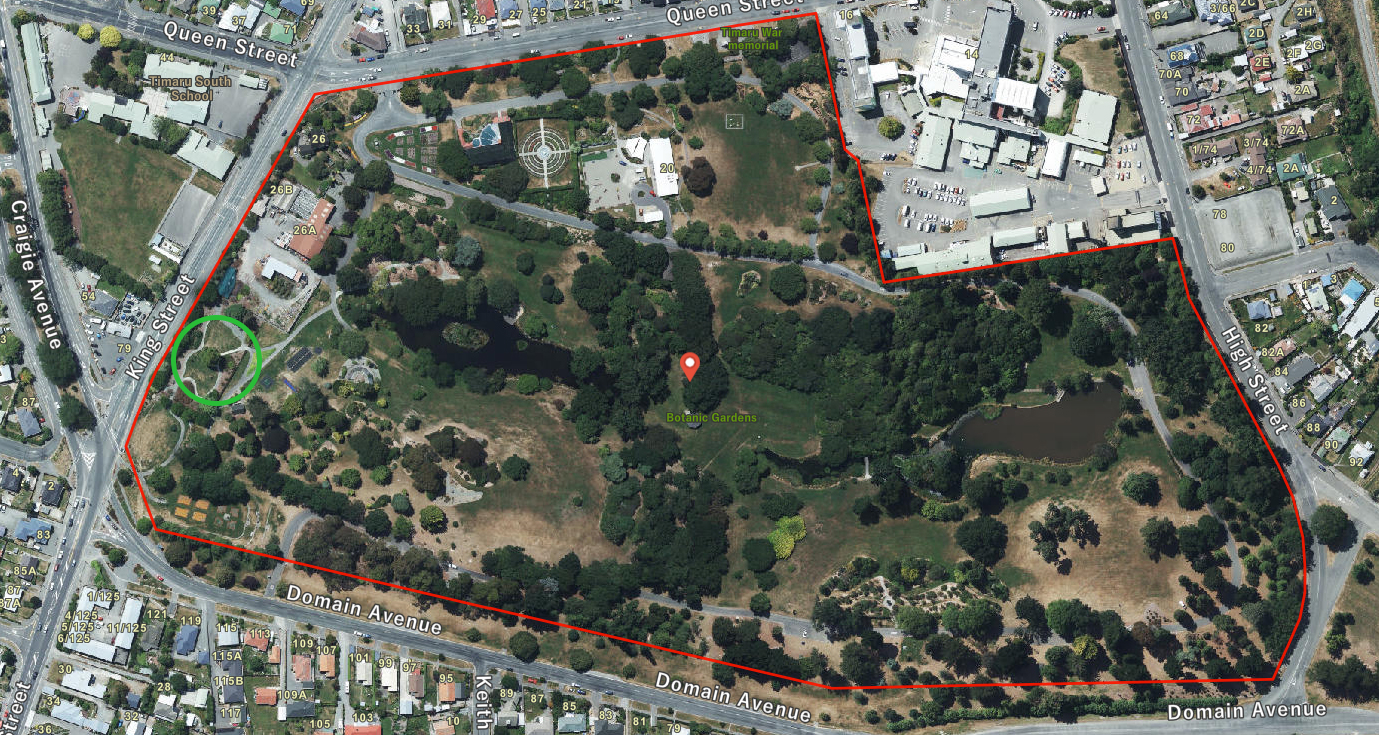
Botanic Gardens Challenge: Find the Dawn Redwood. Thought to be extinct 2 million years ago, the last 100 trees were discovered in China, and seeds made it all the way to little ol' Timaru, where this beautiful tree was established and stands today. The tree is located near the corner of King Street and Domain Ave in the Chinese Garden beside the playground.
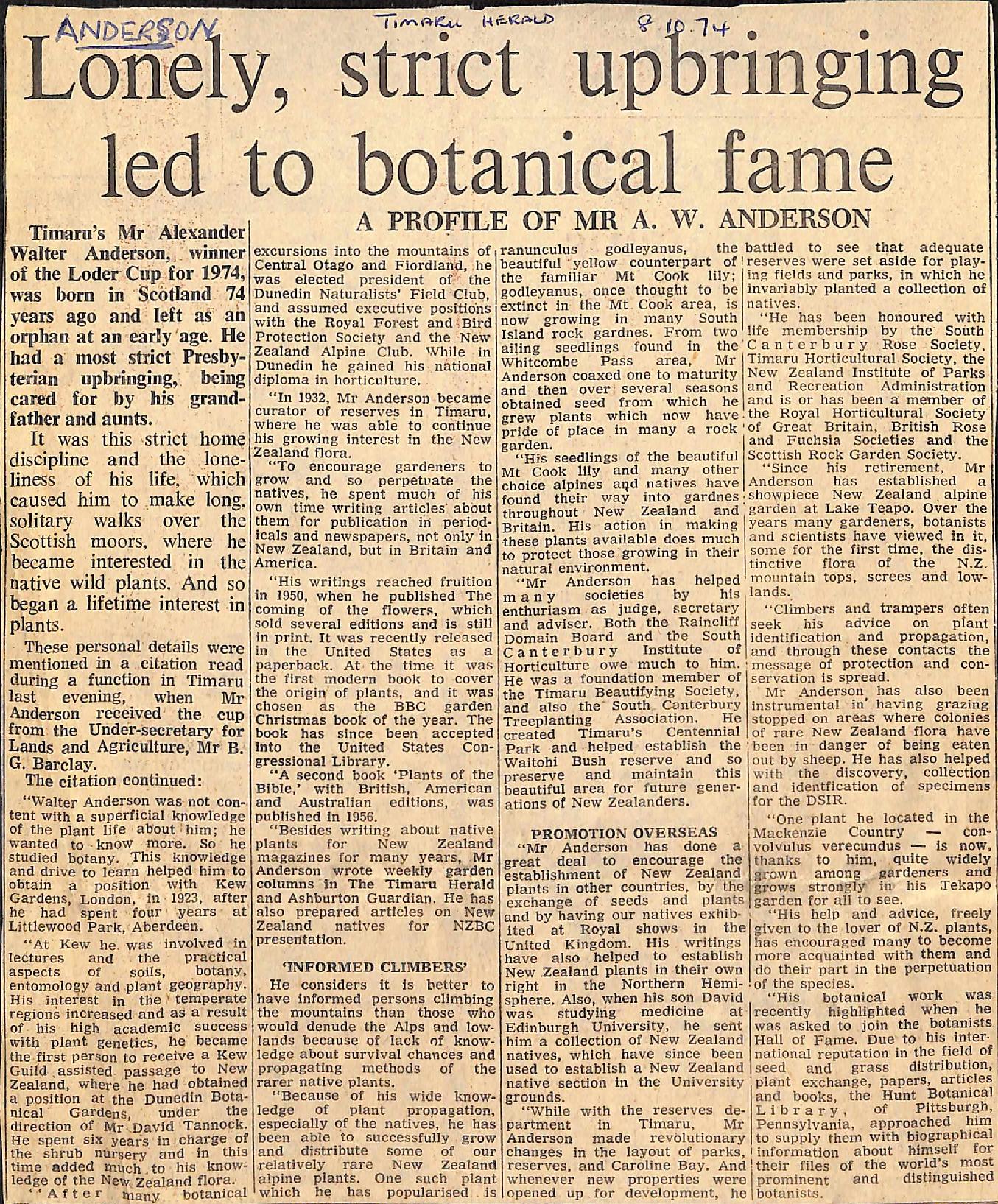
This tree in Timaru, is the first recorded cultivation of Metasequoia in New Zealand. 'A New Zealand Survey of Metasequoia glyptostroboides' Cadwallader B.G. 2009. The tree was originally located very close to a shade house (now removed) and has had a large co-dominant stem removed (Thomson P., 2009).



Considered one of the greatest botanical discoveries in the twentieth century
In 1946, acting on a tip-off and sight of some fragmentary material, Professor Cheng of the National Central University, China, sent an expedition to the remote village of Mo-tao-chi in Szechuan province to collect a complete set of specimens from a stand of recently-discovered, unidentified trees. After consultation with Dr Hu, China’s leading dendrologist, it became obvious that the trees belonged to the genus Metasequoia, hitherto only known from fossil evidence dating back 100 million years, and thought to have been extinct for millions of years. Seed were collected and shared amongst botanic gardens around the world for cultivation. In nature, the Dawn Redwood is now restricted to just a few small and scattered stands in Hubei and Szechuan. The species is classified by the World Conservation Union as ‘critically endangered’ due to intensive rice cultivation and the poor prospect for regeneration in the wild.
The centre of the population supporting a population of about 6000 large trees was in the nearby Shuishaba valley in Hubei. Much of this population was logged following the Revolution in 1949. In 1986 an outlying population was found in Hunan. The species is, of course, rare and sensitive to human impacts.
Since its discovery, the dawn redwood has become something of a national point of pride, and it is protected under Chinese law and also planted widely.
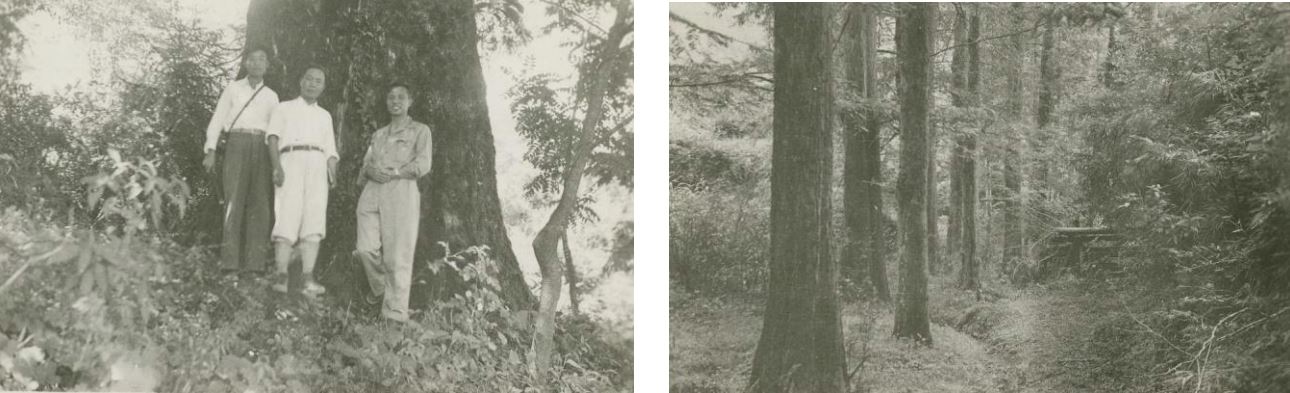
(Left) C.T. Hwa, W.C. Cheng, K.L. Chu standing by a Metasequoia glyptostroboides from W. C. Cheng’s expedition to the Hupeh Province, China. August, 1948. (Right) A group of Metasequoia trees in a ravine. Lichuan: Shui-sa-pu Valley. August 1948. - Metasequoia glyptostroboides Records, 1940-2010: Guide: arboretum.harvard.edu/IV_B_3_Metas_2015.pdf
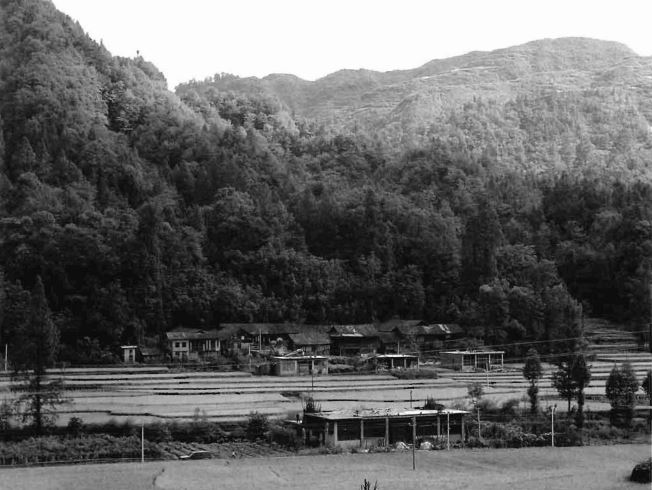
Native habitat of Meta sequoia glyptostroboides at Shui -shan-ba (Shu i-sha-pa), Xiaohe, Lichu an, Hubei. 23 September 2003. scholarship.claremont.edu/article=1171
In 1864 Canterbury Provincial Council were asked by the people of Timaru to make a reserve out of unsold land known as Government Town at the south end of Timaru. This consisted of just over one square kilometer of land between Domain Avenue, North Street Craigie Avenue and the Ocean. The Government lifted 23 hectares of land from ‘waste land regulations’ and surveyor Samuel Hewlings set aside 2 hectares for Botanic Gardens. In 1867 the area was placed under the care of the Borough of Timaru Park Commissioners, the following year the planting of trees and shrubs got underway.
After reading about the new discovery of a living specimen of dawn redwood in China, the curator of (the curator of the Botanical Gardens and a diploma holder from Kew Gardens in London), Alexander Walter Anderson, wrote to the Arnold Arboretum in the USA requesting a sample of seed. He subsequently received the seed in July 1948. He propagated many trees with this specimen being the only one retained in the gardens. Anderson gifted many trees around the country (Cadwallader, 2011).
Ref: The Dawn Redwood 'A living relic of the Far Past' A. W. Anderson N.D.H. The New Zealand Gardener June 1, 1949.
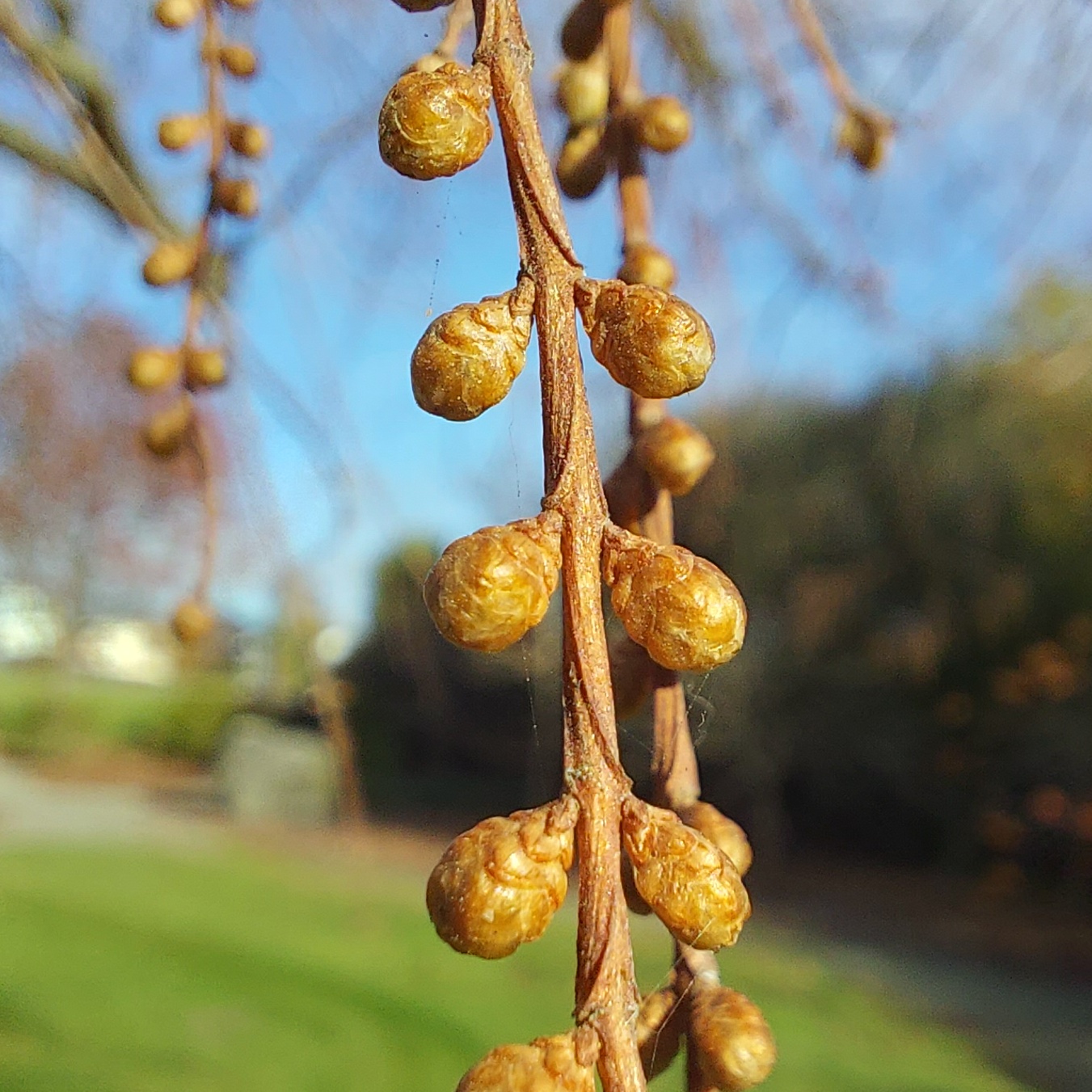
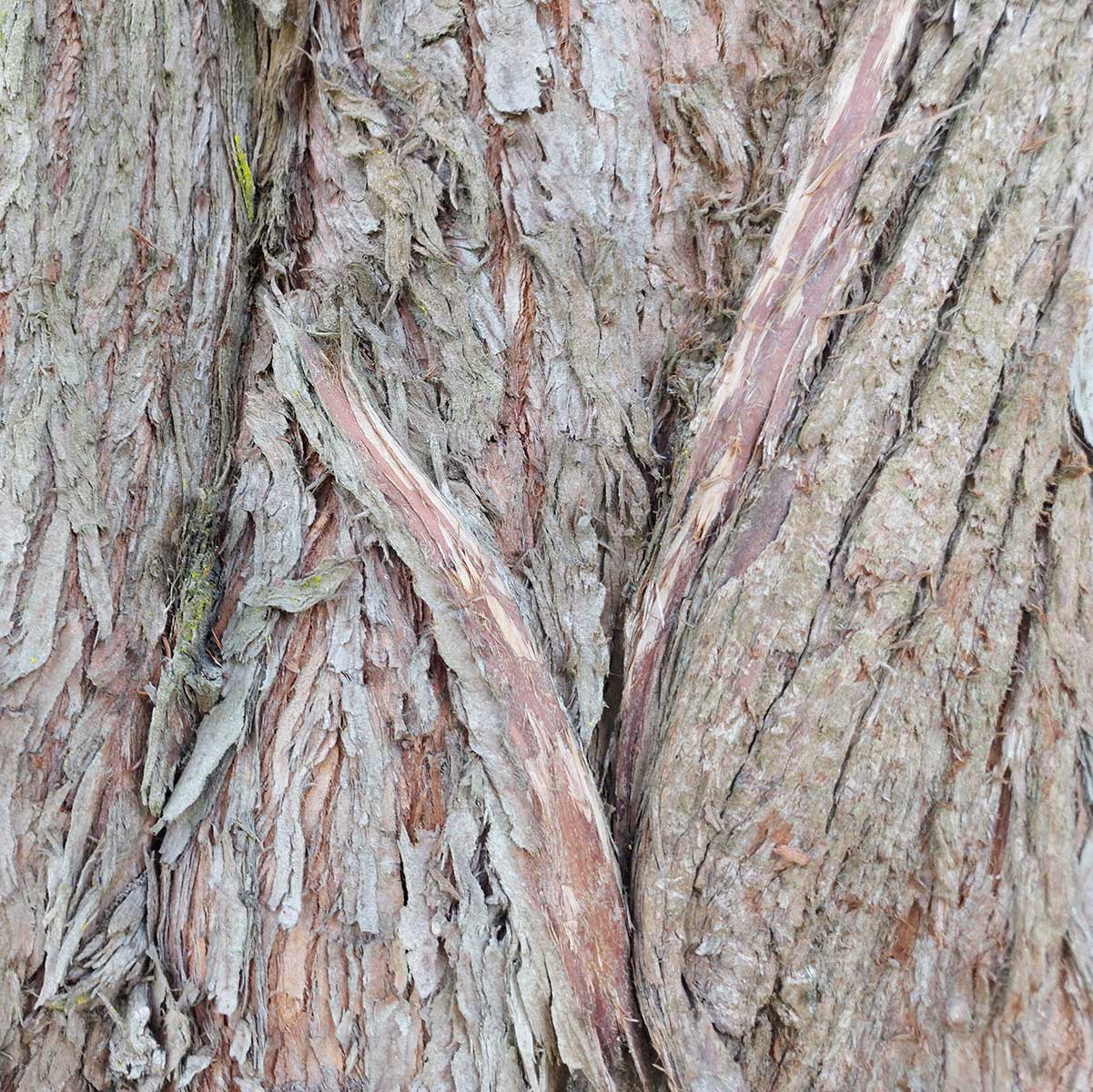
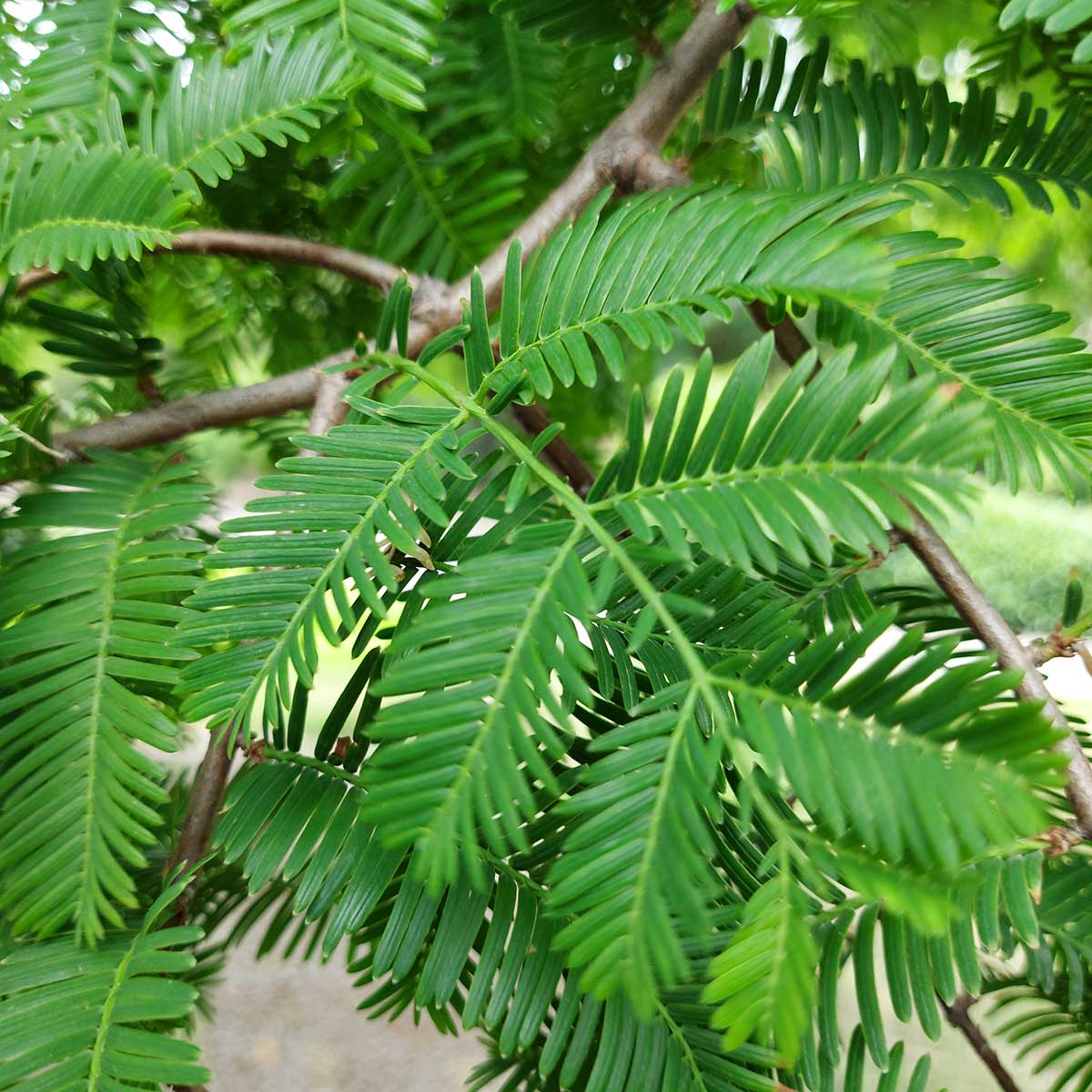
Metasequoia glyptostroboides Taxodiaceae (Redwood family) is one of the few deciduous conifers, delicate green ferny foliage in spring is followed by dark green summer colour, then orange-red in autumn. Male and female flowers appear on the same tree, the females eventually producing round, green cones. Metasequoia means "like a sequoia". The largest dawn redwood recorded was an isolated specimen in China about 50 meters (160 feet) tall and 2.2 meters (7.2 feet) wide. This tree was killed by a lightning strike in 1951
The Hist The History of the Disco y of the Discovery and Initial Seed Dissemination of y and Initial Seed Dissemination of Metasequoia Glyptostroboides, a "Living Fossil"- Brooklyn Botanic Garden: claremont.edu/article=1171
The New Zealand Tree Register (NZTR) holds detailed information on notable trees in New Zealand: register.notabletrees.org.nz/692


Photography By Roselyn Fauth 2022 and 2023
A second tree is up the hill behind the bird avairy.